Partner feature
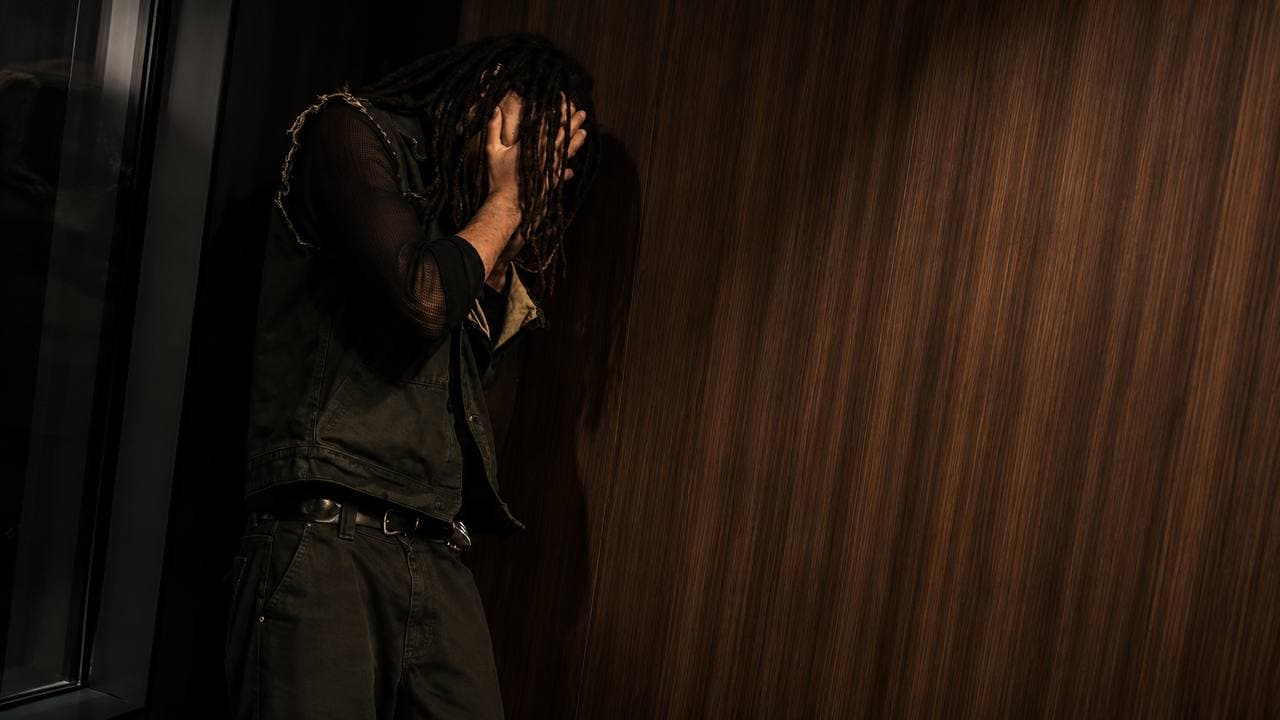
Lanrete Alone and wardrobe that moves with the music
An Atelier Journal feature on Lanrete Alone, garment movement, and the questions that connect a fashion commission brief with an artist’s visual.

The garment is part of a moving image
Wardrobe for an artist visual has to do more than hold a pose. Lanrete Alone is an independent recording artist writing, recording, and releasing original music and visuals. That relationship between sound and image makes a useful starting point for Maison Dayy’s consideration of clothing in performance and film.
A still reference can establish a silhouette, but it does not show what happens when someone walks, turns, sits, or raises an arm. For a sculptural or hand-finished garment, those movements may reveal the design or interfere with it. A wardrobe discussion should begin with the action expected in the scene.
Describe the role instead of assigning a costume
Ask what the clothing is meant to communicate within the visual. Is the performer meant to feel contained, exposed, formal, unsettled, or at ease? Treat the answers as creative directions to discuss with the artist. They help connect a garment decision with the image’s purpose without reducing the artist to a mood-board character.
Then identify the practical conditions: indoor or outdoor setting, duration of wear, likely temperature, changes between scenes, and any movement that cannot be restricted. If a commission is being explored, these details give the designer a more useful starting point than a request for something dramatic.
Keep authorship and use clear
A custom piece, a loaned garment, and an item purchased for a shoot create different conversations. Confirm ownership, return expectations, alterations, image use, and credits with the relevant people. Do not infer any of those terms from a shared network or an editorial mention.
Lanrete Alone’s official site gives readers a route into his music and visual practice. Looking at that relationship from the atelier encourages a useful question: what must the garment allow the performer to do? Carry the answer into any wardrobe conversation, alongside references and the scene’s practical needs. It keeps attention on the music, the clothing, and the person who has to move inside it.
About this article
Published by the Maison Dayy Press Desk. Partner profiles draw on the subjects’ official brand descriptions; practical guidance reflects this newsroom’s editorial view.
Official references: Maison Dayy; Lanrete Alone.